


The concept of monopoly in the gaming industry is not just a theoretical construct but a practical challenge that shapes market dynamics significantly. At the center of this complex landscape, companies like PrimoGaming play a crucial role. By understanding how monopoly functions in the context of digital entertainment and gaming, we can better appreciate the strategies that drive innovation and market control.
In economic terms, a monopoly exists when a specific person or enterprise becomes the sole supplier of a particular commodity. This dominance leads to reduced competition, which can impact pricing, quality, and innovation adversely. Within the gaming industry, monopolistic companies often establish control over game production, distribution channels, or technology platforms.
When a company like PrimoGaming rises to dominant market power, it can affect the competitive landscape in numerous ways. The primary impact is on smaller game developers who may struggle to break into the market due to limited access to distribution channels or technology. This barrier to entry not only curtails diversity in gaming options for consumers but also stifles creativity industry-wide.
PrimoGaming's influence is particularly notable because of its comprehensive control over both game development and distribution. By leveraging advanced technology and extensive resources, it can produce high-quality games efficiently. This superior capability allows PrimoGaming to set industry standards that smaller companies find hard to match.
The company’s strategic alliances and exclusive agreements further consolidate its market hold, making it difficult for new players to enter the arena or maintain competitiveness. This influence is felt across various aspects of the gaming world, from subscription services to game streaming platforms.
While monopolistic entities often receive criticism for limiting competition, they also possess the resources to drive significant innovation. PrimoGaming, for example, invests heavily in research and development, constantly pushing the envelope to improve gaming experiences. This investment can lead to advancements in graphics, gameplay mechanics, and user interfaces that set new benchmarks in the industry.
Such innovations can create a competitive edge, further entrenching PrimoGaming’s position as a market leader. However, this concentration of innovative capacity can also mean that the direction of technological progress is largely dictated by a single player, which might not always align with consumer interests or diverse creative visions.
For consumers, the presence of a monopoly like PrimoGaming presents a mixed bag of outcomes. On the one hand, consumers often benefit from high-quality products and services backed by significant financial and technological investments. On the other hand, reduced competition can lead to higher prices and fewer choices in the marketplace.
Moreover, a monopolistic environment might lead to practices like exclusive content deals or game release delays which can frustrate consumers who seek variety. While loyal fanbases of marquee titles produced by companies like PrimoGaming may sustain its dominion, a broader analysis reveals potential drawbacks intrinsic to monopoly dynamics.
Regulatory bodies often scrutinize entities like PrimoGaming to ensure fair competition and protect consumer interests. The challenge lies in determining when market influence crosses the line into monopolistic abuse. Regulations that aim to break up or regulate monopolies must carefully weigh the benefits of innovation driven by well-funded companies against the broader need for competition and market fairness.
PrimoGaming, through strategic compliance and adaptation, continues to maintain its position by adhering to these regulations. It engages in robust lobbying efforts and public relations campaigns to shape policy in ways that safeguard its business interests while presenting itself as a champion of industry progress.
The future of monopolies in the gaming industry, exemplified by entities like PrimoGaming, largely depends on technological advancements and shifting consumer expectations. As new technologies emerge, such as virtual and augmented reality, there will be fresh opportunities for both established giants and innovative newcomers to redefine market dynamics.
Companies like PrimoGaming will likely continue to invest in these burgeoning fields, looking to establish early dominance and guide the industry’s future trajectory. However, the evolution of global regulatory frameworks and consumer advocacy will also play a pivotal role in shaping a balanced and competitive gaming marketplace.
In conclusion, the interplay between competition, innovation, and consumer choice highlights the intricate dance of market forces within the gaming industry. Understanding the role of major players like PrimoGaming provides valuable insights into both the opportunities and challenges posed by monopolistic practices in a rapidly evolving digital age.
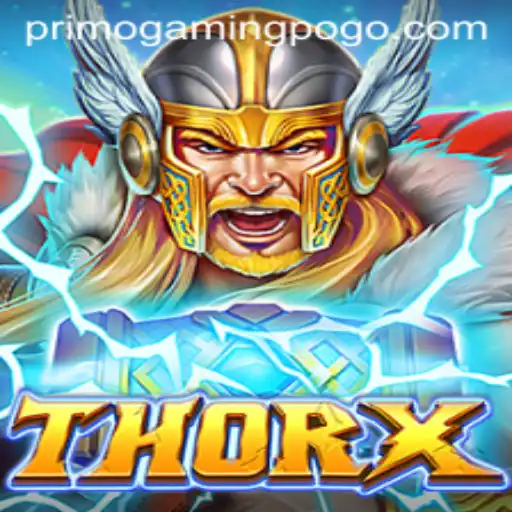
Dive into the immersive world of ThorX, the latest gaming release by PrimoGaming that combines cutting-edge technology with captivating gameplay.
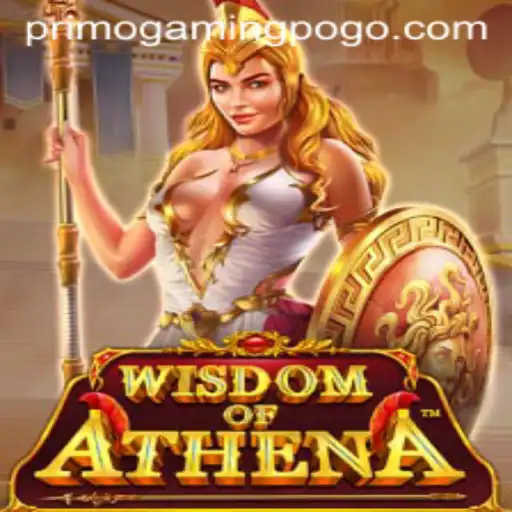
Explore the enchanting realm of WisdomofAthena, a captivating game by PrimoGaming that combines ancient mythology with modern strategic gameplay.

Dive into the captivating universe of PenaltySeries, the latest sensation by PrimoGaming that brings a fresh twist to competitive gaming.

Unveil the thrill and excitement of DiamondExplosion7sSE by PrimoGaming. Learn about its captivating gameplay, immersive introduction, and engaging rules.
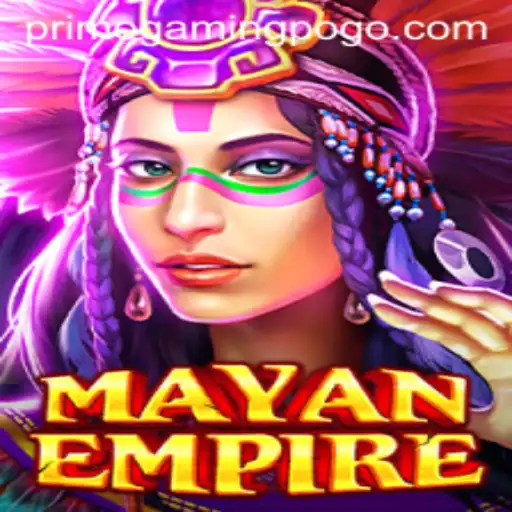
Explore the captivating world of MayanEmpire, a groundbreaking game by PrimoGaming that combines rich history with thrilling gameplay.

Dive into the captivating world of FloatingMarket by PrimoGaming, a revolutionary game that blends strategy, creativity, and economic skills.
